
 Pay My Bills
 Report a Problem
 Start / Stop/ Move Service
 Business
 Contact Us
 Careers
Cold Weather Tips to Help You Conserve Energy & Stay Safe
When Florida experiences an unusually low dip in winter temperatures, make sure to stay safe — and warm — while keeping energy costs under control. These simple tips can help you stay warm, safe and control energy costs during colder months.

Thank You For Doing Your Part
Thank you for helping us navigate through this extreme cold weather. The last few days, energy demand reached an all-time high in Florida. We know our ask of you to conserve was difficult; however, the small incremental changes collectively made a difference.
From businesses adjusting operations to residents being mindful of their energy use, overall energy demand was reduced. In addition, your preparation efforts, including steps to protect pipes, helped support water system reliability and conservation efforts. While some customers did experience service disruptions mostly due to wind and cold weather, we responded as quickly and safely as possible.
We’re proud to serve Central Florida, and we remain committed to delivering safe, reliable energy and water through every season. Thank you for your contributions in helping us weather this historic event together.
Conservation Tips For Your Home
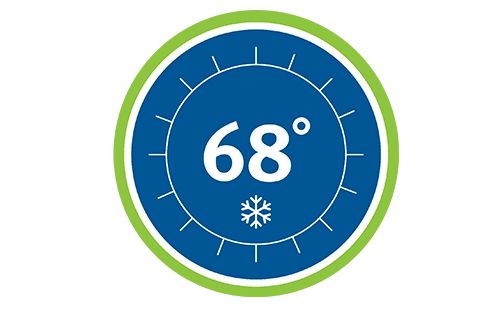
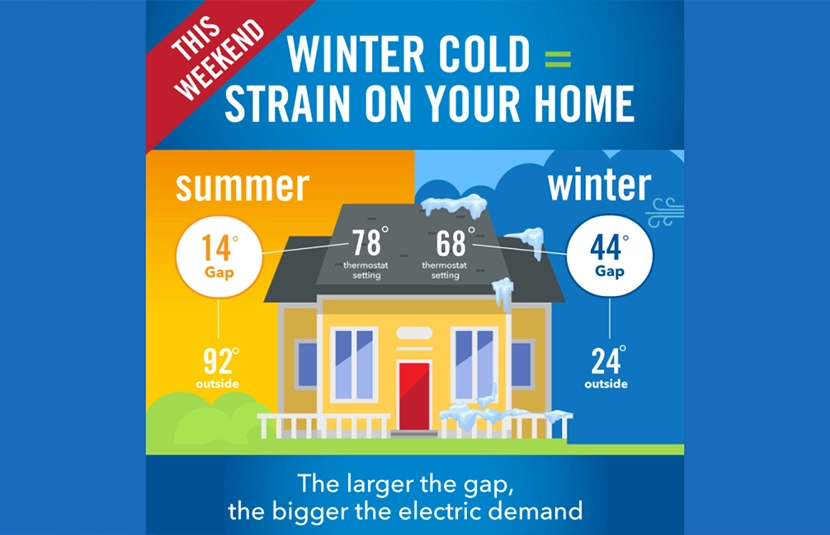
► Set your thermostat at 68° and lower it slightly. Fluctuating temperatures cause heating systems to work harder and increase energy demand.
► Adjusting your thermostat is the most effective way to save energy during cold weather. Every degree above 68 causes an 11% increase in most electric bills.
► Delay the use of major appliances like washers, dryers and dishwashers until later in the day. These appliances use hot water and heat, which spikes energy demand.
► If your home uses a heat pump, keep it in normal mode rather than emergency heat. Emergency heat uses much more electricity and increases demand.
► To conserve energy, avoid heating your pool. If you have a variable pump, run it at a lower speed to save energy while still preventing water stagnation.
► Keep garage doors closed to help maintain indoor heat.
Conservation Tips For Your Business

► Pre-warm your space before the morning rush. Warm buildings earlier than normal – overnight or very early in the morning – and then reduce or pause your heating during peak morning hours.
► Shift high-demand tasks to off-peak times, such as laundry, production runs, dishwashing and charging fleets or equipment.
► Stagger start-up of large HVAC units, industrial and kitchen equipment, compressors, pumps and motors. Even a 15 or 30-minute delay makes a difference.
► Stagger employee arrival times if possible. Encourage rotating start times for employees, such as a 9 a.m. start instead of 8 a.m.
Safety Tips
► Keep space heaters off carpet, walls and furniture.
► Plug directly into a wall outlet to reduce overheating and fire risk from extension cords or power strips.
► Turn off and unplug when not in use.
► When using your fireplace, make sure the flue is open, use a safety screen and never leave a fire or smoldering embers unattended.
► Never tuck in electric blankets – trapped heat and poor ventilation can cause overheating and become a fire hazard.
► Like space heaters, plug blankets directly into the wall.
► Unplug before falling asleep and when not in use.
►Never use your stove, oven or grill to heat your home. Not only is this a fire and burn hazard, but dangerous gases could be emitted into your home.

► Cover exposed water pipes and spigots.
► If you live in a house, allow a trickle of water to flow through exposed pipes or faucets that share an exterior wall to prevent the water inside from freezing.
► Insulate pipes connected to solar water heating systems to prevent freezing.
► Water lines can freeze as temperatures drop below 32 degrees – especially in homes with lines located outdoors or in attics.
► Freezing temperatures can cause low or no water pressure for several hours. If you do not have a leak, please be patient and allow for pipes to thaw before contacting OUC.
►Leaks Outside: If you notice water leaking between your water meter box and the street, contact OUC immediately. If the leak is between your water meter box and your home, please also contact us.
► Leaks Inside: If you have a leak inside your home and you cannot shut off your water service valve, contact OUC for help with turning off your water service until repairs are made.
Related Content
When cold weather moves into Florida, OUC asks customers to conserve energy during the coldest times of day.
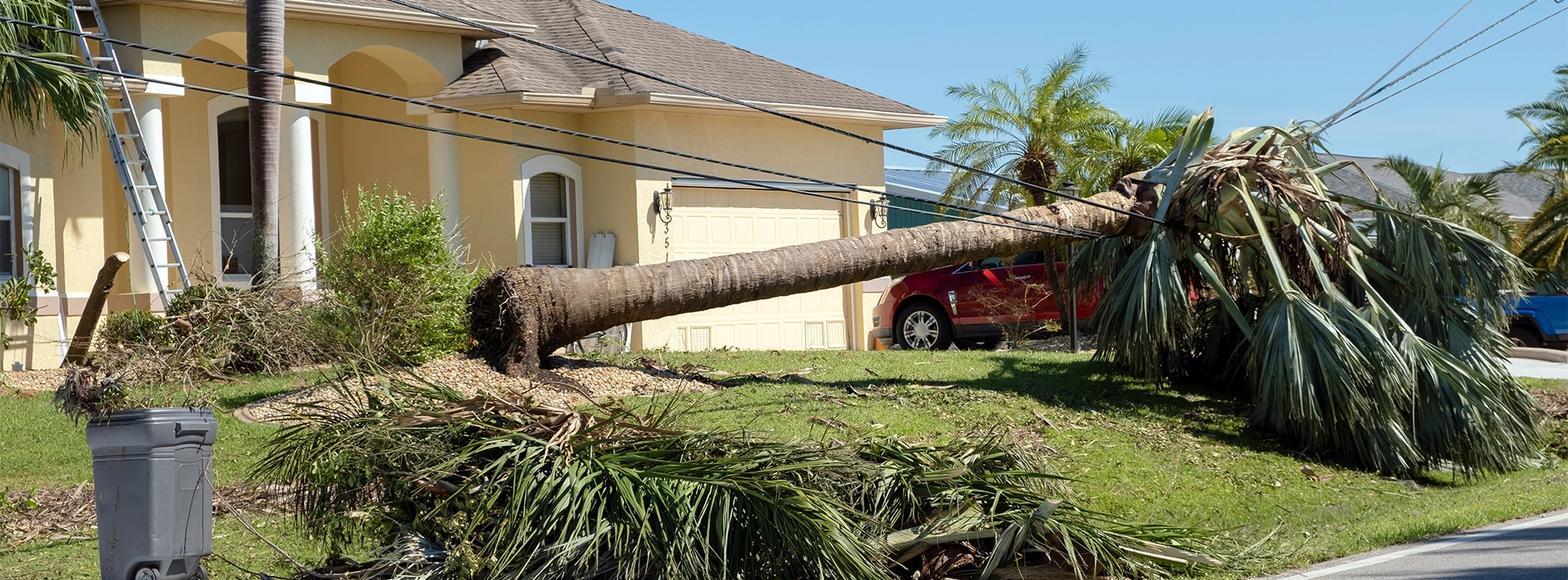
Stay Safe During High Winds
With high winds forecast this afternoon and gusts up to 50 mph, along with subfreezing temperatures expected this weekend, it’s important to make safety first and prepare for potential impacts.
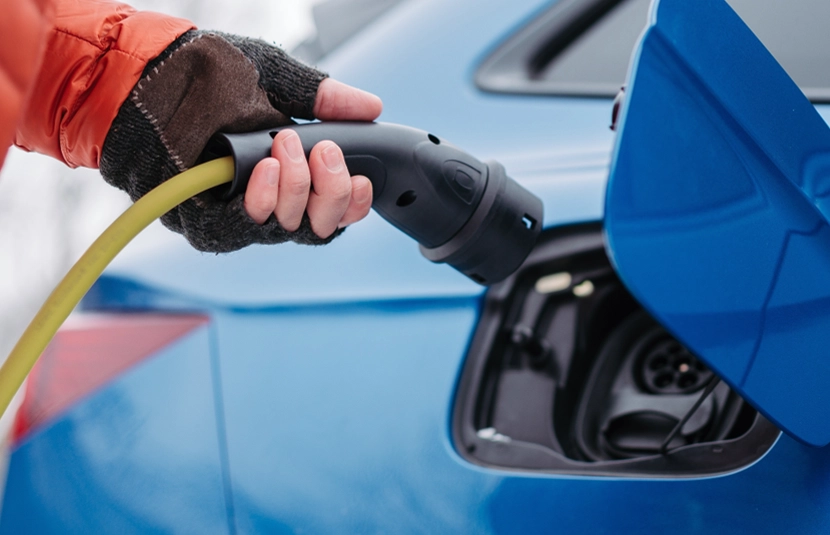
Tips to Maximize EV Battery Performance This Winter
Temperature drops can impact the performance of car batteries by slowing down the electrochemical reaction inside them that produces power. However, “winterizing” your EV is easier than you might think.

Cold Weather: Is Your Facility Ready?
When cold weather hits, it’s important to make sure your heating system and your building are ready. Read our tips to help your business maintain safety, comfort and cost control during colder months.
How You Can Help During Extreme Cold
Extreme cold causes energy use to rise sharply as heating systems work harder across the state. But conserving energy during these peak hours helps reduce added strain on the system.