 Pay My Bills
 Report a Problem
 Start / Stop/ Move Service
 Business
 Contact Us
 Careers

Lake Highland Water Treatment Plant Upgrades
Pioneering solutions for emerging water quality requirements.
Anticipated Construction: Fall 2027 – Fall 2030
Project schedule is subject to change.
Project Overview
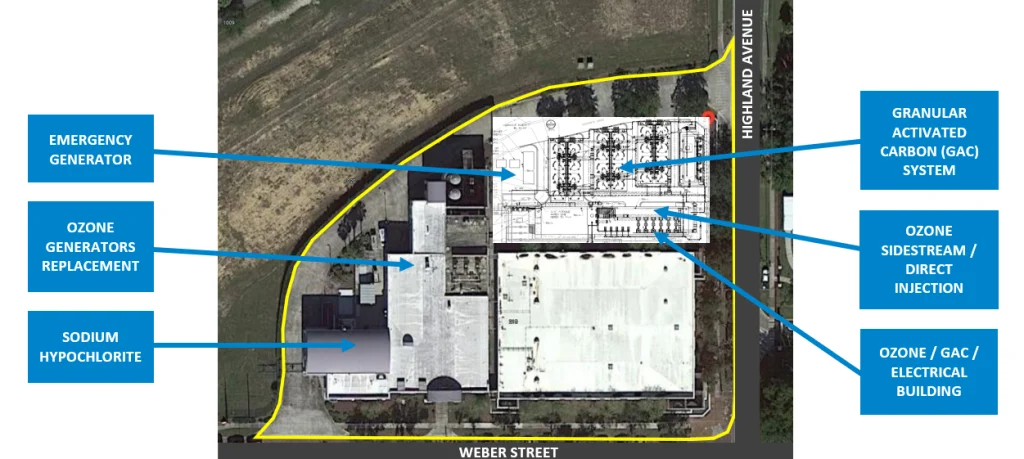
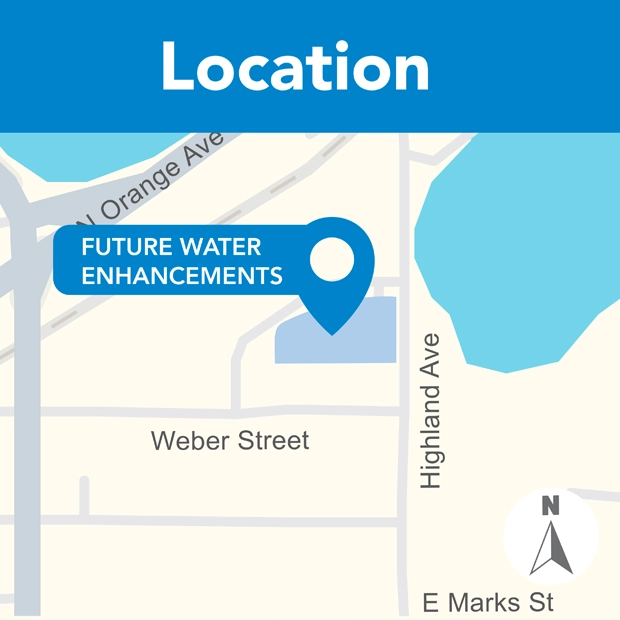
OUC plans to upgrade the Lake Highland Water Treatment Plant at 1020 Highland Avenue.
Originally constructed in 1957, it is OUC’s second largest water treatment plant. The planned improvements include granular activated carbon (GAC) treatment, ozone generator equipment replacement, safer chlorination technology and an emergency generator.
Why This Project Matters
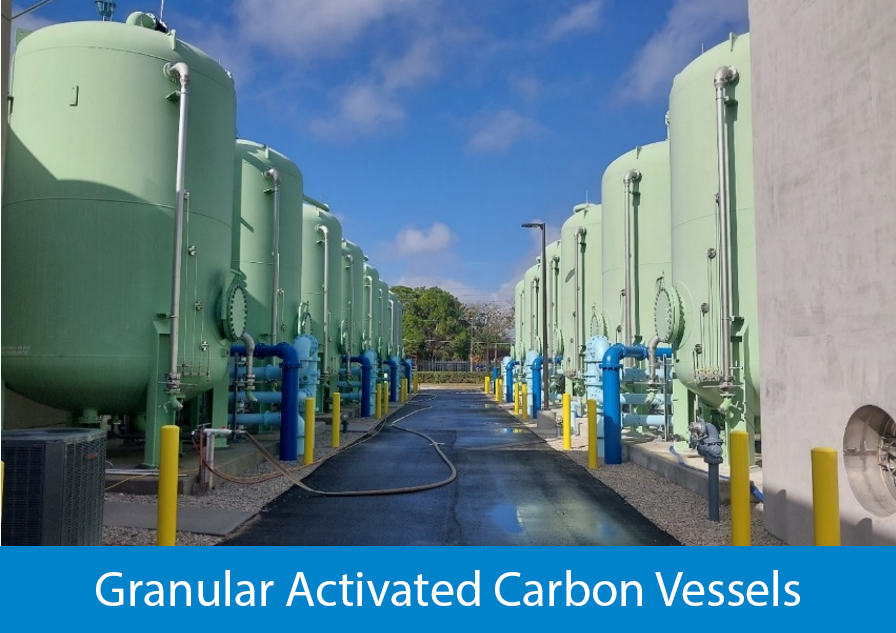
Granular activated carbon (GAC) is used in water treatment to remove trace amounts of chemicals. The new treatment will help reduce the amount of chlorine needed and the formation of disinfection by-products. These substances can form when chlorine reacts with naturally occurring material in the water.
By reducing the need to flush water from pipes to maintain water quality, the improvements will conserve nearly 110 million gallons each year, equivalent to the water used by nearly 1,000 homes.
The upgrades will also increase reliability by reducing reliance on aging, end-of-life equipment. An emergency generator will improve electric reliability at the plant, and conversion from gaseous chlorine to liquid chlorination will provide safer chlorination technology.
What to Expect During Construction
- Customers should not experience any disruption in their water service.
- Crews will work at six well sites and along nearby streets to replace water pipes.
- During construction, you may notice crews, equipment, delivery trucks and temporary construction noise near the treatment plant.
- Traffic, parking and the way you reach nearby homes and businesses may change temporarily.